
 Español






There are no more items in your cart

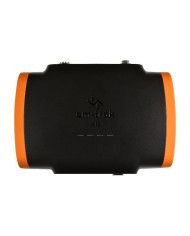
B953 - AIS CLASS B TRANSMITTER/RECEIVER EM-TRAK WITH BUILT-IN VHF ANTENNA SPLITTER. 5 W. POWER SUPPLY 12/24 V.
€968.00
Tax included
The B953 - AIS Class B Transmitter/Receiver EM-TRAK with Built-in VHF Antenna Splitter is a powerful 5W device that ensures superior AIS performance.
The B953 - AIS Class B Transmitter/Receiver EM-TRAK with Built-in VHF Antenna Splitter is a powerful 5W device that ensures superior AIS performance. With its compact and lightweight design, it maximizes your AIS information and target visibility while minimizing energy consumption.
Featuring an integrated high-performance VHF antenna splitter, the B953 allows you to share your existing VHF antenna without compromising performance. It comes equipped with smart connectivity, a state-of-the-art GPS antenna and receiver, and the unique FLEXI-FIT support system for easy and secure installation.
- Certified AIS Class B - 5W SOTDMA
- High-performance built-in VHF antenna splitter with zero loss
- Global certification – USCG / FCC / Canada / Europe
- FLEXI-FIT™ support system for easy, comfortable, and secure installation
- Integrated high-performance GPS antenna and receiver (optional external antenna)
- Waterproof, pressure spray, and humidity resistant: IPx6 and IPx7
- Protected against vibrations, shocks, and extreme temperatures
- Compact and lightweight design
- Ultra-low power consumption: best in class
- Guaranteed connectivity and interoperability with any application, plotter, smartphone, tablet, or PC
- NMEA0183 and NMEA2000 compatible
- Automated status and performance monitoring
- Silent mode function (transmission disabled)
- Enhanced RF detection to protect against electromagnetic interference
- Built-in surge protection
Upgrade your vessel's safety and efficiency with the B953 - AIS Class B Transmitter/Receiver today!
Technical Specifications:
ESPECIFICACIONES FÍSICAS Y AMBIENTALES
Tamaño (ancho x alto x profundidad): 150 x 115 x 45 mm
Peso: 415 g
Temperatura de funcionamiento: de -25 °C a +55 °C
Temperatura de almacenamiento: de -25 °C a +70 °C
Protección de ingreso: IPx6 e IPx7
ESPECIFICACIONES ELÉCTRICAS
Tensión de alimentación: 12 V o 24 V CC
Rango de tensión de alimentación: 9,6 V - 31,2 V CC
Corriente media (a 12 V): 245 mA
Corriente máxima : 2,5 A
Consumo medio de energía (a 12 V): 2,9 W
Aislamiento galvánico: solo entradas NMEA 0183, NMEA 2000, puerto de antena VHF
CONECTORES
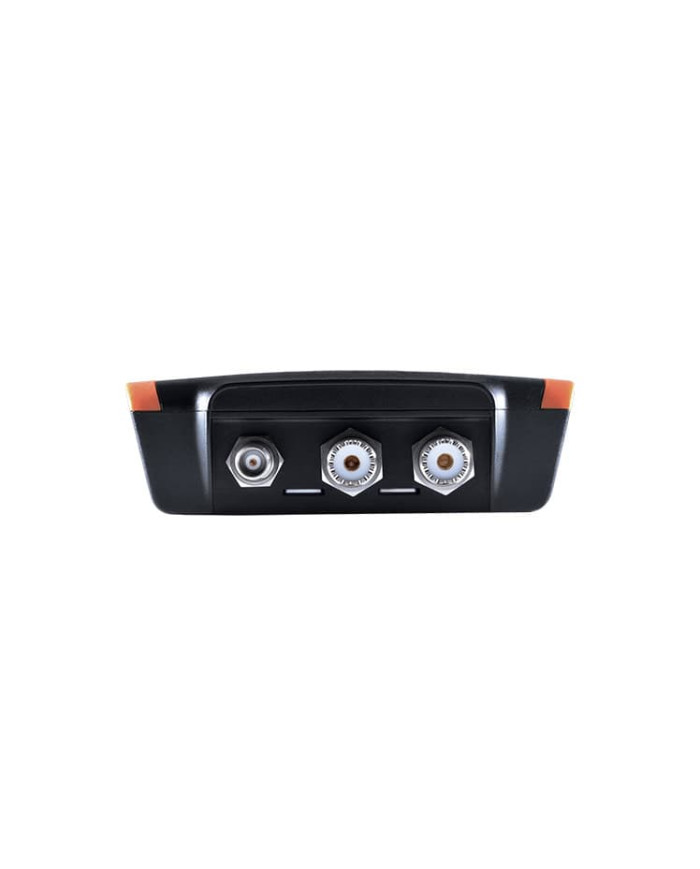
Antena VHF – SO-239
Radio VHF – SO-239
GNSS – TNC
Power/NMEA 0183/modo silencioso – Multipolo circular de 12 vías
NMEA 2000 – Conector Micro-C de 5 vías
USB – USB Micro-B
INTERFACES DE DATOS
NMEA 0183: 2 puertos bidireccionales
NMEA 2000: NMEA 2000 Ed 3.101, LEN=1
USB: puerto de comunicación virtual de PC para datos NMEA 0183
CUMPLIMIENTO DE ESTÁNDARES
Estándares AIS – IEC 62287-2 Ed. 2. ITU-R M.1371.5
Estándares de seguridad del producto – EN60950-1 2006 +A11:2009 +A1:2010 +A12:2011 +A2:2013 EN62311:2008
Estándares ambientales – IEC 60945 Ed. 4
Estándares de interfaz de datos en serie: IEC 61162-1 Ed 5.0. IEC 61162-2 Ed 1.0
NMEA 2000 – NMEA 2000 Ed 3.101
Estándares de rendimiento GNSS – IEC 61108-1 Ed 2.0. IEC 61108-02 Edición 1.0
Sistemas GNSS
compatibles: GPS, GLONASS, BeiDou, Galileo
(dos de cualquier combinación, tres incluidos GPS, Galileo)
Canales: 72
Antena interna/externa: antena interna o externa opcional
Tiempo para la primera corrección desde el arranque en frío: 26 s
TRANSCEPTOR VHF
Esquema de acceso VDL – SOTDMA
Frecuencia de operación – 156.025MHz – 162.025MHz
Ancho de banda del canal – 25kHz
Receptores/transmisores – 2 receptores, 1 transmisor
Sensibilidad del receptor AIS (20% PER) – -111dBm Potencia del
transmisor AIS – 5W (+37dBm)
INTERFAZ DE USUARIO
Indicadores: potencia, tiempo de espera de transmisión, error, modo silencioso